What we do
9 services. Each page covers who it is for, what we do in sessions, prices and videos.
 Behavior and skills
ABA therapy
We develop communication, speech, play, independence and learning skills. Teaching is built around the child's interests and motivation, and we address challenging behavior using Greg Hanley's compassionate approach, without punishment.
- communication and requests
- speech, imitation, play
- independence and self-regulation
 Speech
Speech therapist and special educator
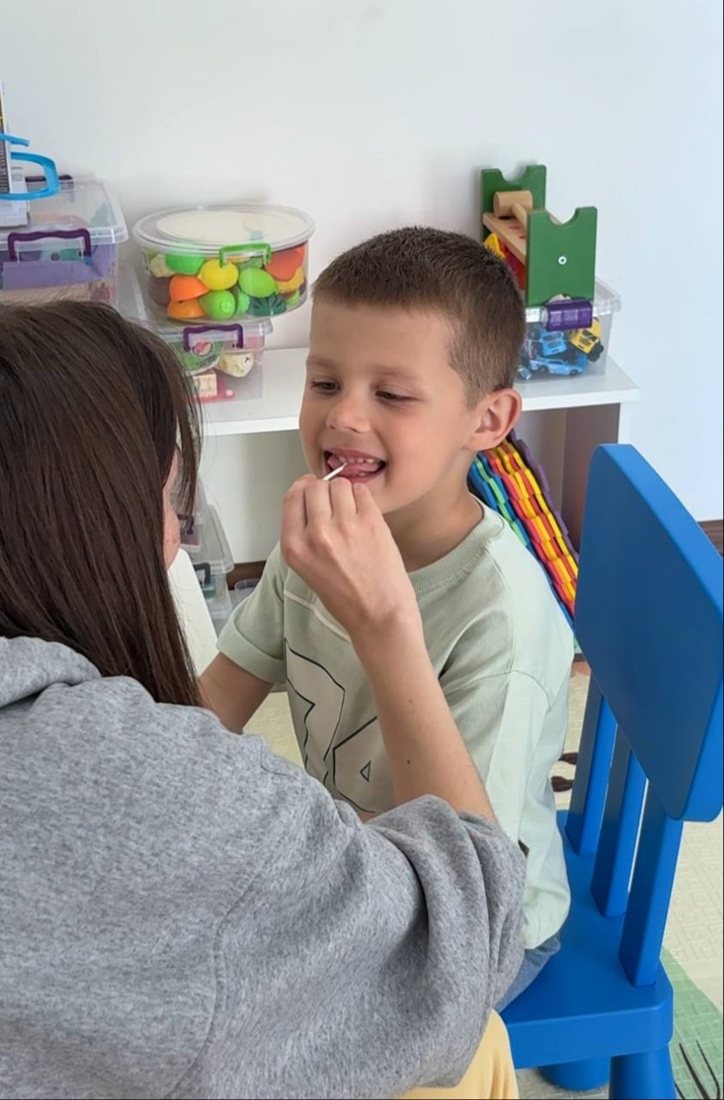
Speech therapist and special educator: sessions to develop speech, attention, memory, thinking and communication skills. Suitable for children with speech delay or speech and developmental delay, pronunciation difficulties, ASD, as well as learning and social communication difficulties. An individual approach to every child.
- we develop speech comprehension and vocabulary, and teach the child to build phrases and tell a story coherently
- we work on grammar: correct word forms and agreement
- we get speech started, establish sounds and reinforce them first in words and sentences, then in spontaneous speech
 Speech
Starting speech and sound correction
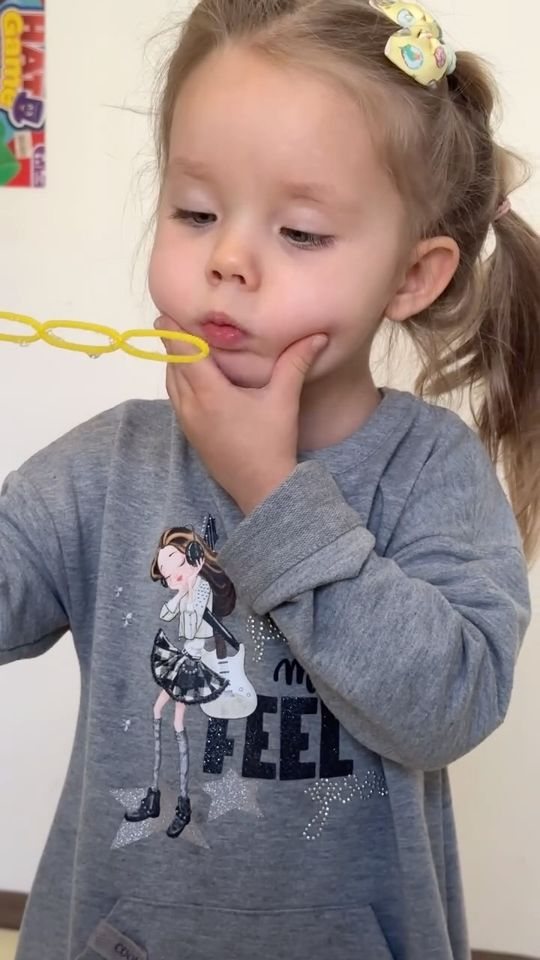
Starting speech and sound correction: sessions for children who do not talk yet, have a small vocabulary or mispronounce sounds. They focus on developing active speech, expanding vocabulary, building correct pronunciation and improving spoken communication.
- we teach the child to ask with a gesture, a sound, a word and, if needed, a PECS card
- we build communication from several supports: gesture, looking toward the adult, word
- we develop auditory attention, imitation and a sense of rhythm, for example on a light-and-sound panel
 Movement
Adaptive PE
Adaptive PE: sessions for children with developmental differences and motor difficulties. They focus on developing coordination, balance, strength, endurance and motor skills, strengthening muscles and increasing physical activity, tailored to the child's individual abilities.
- we develop motor skills and coordination
- we strengthen muscles and work on strength and endurance
- we correct posture
 Movement
Sensory integration
We help children calm down and handle sensations more easily. Everything is done through play, so the child engages more easily.
- we work with a ball: catching, rolling, throwing. This helps the child feel their body better, learn to adjust their strength, keep balance and follow hand movements with their eyes
- we play sensory-social games: they develop joint attention, waiting for a turn, asking, responding to their name
- we help the child calm down and handle sensations more easily
 Life skills
Independence training
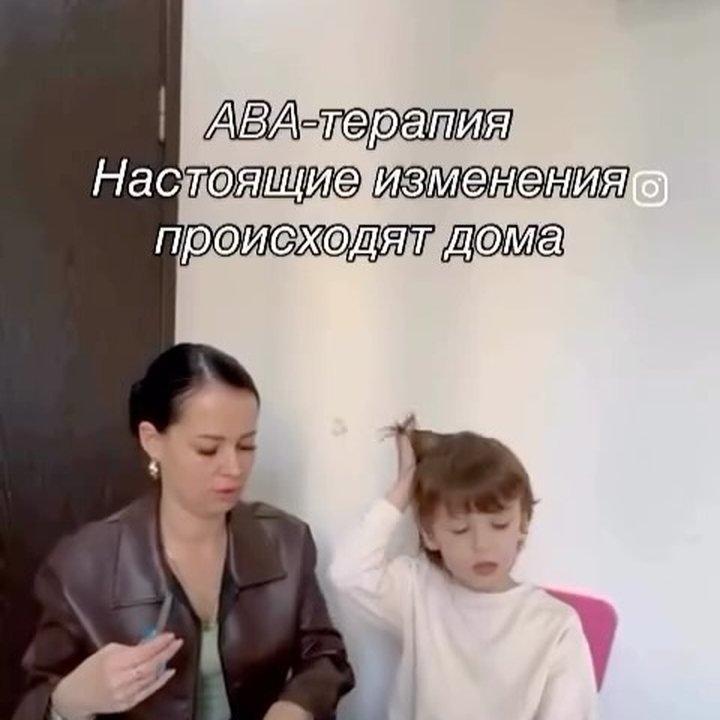
We teach everyday skills and reduce fears step by step, without pressure. The goal of the training is for the skill to work in everyday life, not just in the therapy room.
- toilet training
- getting used to haircuts and household appliances
- feeding training
 Groups
Group sessions
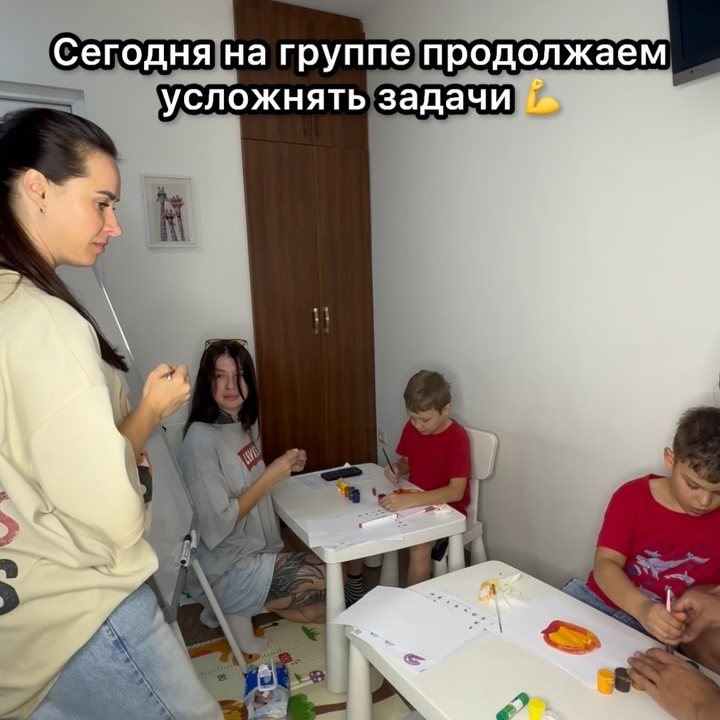
We teach children to learn in a group: respond to an instruction given to everyone, wait for their turn, work together with the others and interact with peers. Day-stay group: a small group for 2 hours, more attention for each child and time with peers.
- getting used to a group
- interaction with peers
- preparation for kindergarten and school
 Little ones from 1.5 years
Mom and Baby
A course for little ones from 1.5 years and their parents, based on the Early Start Denver Model (ESDM). It is suitable not only for families who already see difficulties, but also for those who want to support early development and prevent speech problems in good time.
- joint attention, when the child and the adult look at the same thing
- responding to their name
- asking for things and waiting for their turn in play
 Assessment
Assessment
VB-MAPP and ABLLS-R: tools for a comprehensive assessment of speech, communication, social, learning, motor and self-care skills, and for identifying barriers to learning and development.
- VB-MAPP and ABLLS-R: skills assessment
- MOXO: attention test
- individual program based on results