Who it is for
- Children who have no experience of group sessions yet.
- Children who find it hard to be around peers, play and interact with them.
- Children who already attend a group but have difficulties with behavior, following group instructions and keeping to the rules.
- Children who need preparation for kindergarten or school.
What we do in sessions
Beginner level: getting used to the group
We teach the child to be near other children, make eye contact, play alongside others, imitate peers, and join in shared games and physical activities.
Intermediate level: interacting in a group
We teach the child to make requests to peers, respond to their requests, accept "no", wait for their turn, follow an adult's instructions given to the whole group and follow the accepted rules of behavior in a group.
Advanced level: learning in a group
For children who already have basic learning behavior skills.
We develop the ability to complete tasks independently and alongside peers, take part in shared games and teamwork, keep up a conversation, make requests, and calmly accept when someone declines to interact or play.
We teach the child to follow peers' lead, follow the teacher's whole-class instructions, stay focused, finish tasks independently, raise their hand, answer questions, come up to the board and take turns.
Examples of tasks in group sessions at Neuron
- Follow the teacher's instructions given to the whole group.
- Raise their hand, answer questions and come up to the board.
- Wait for their turn and for the teacher's permission.
- Complete tasks independently and say "I'm done".
- Copy from the board, draw and work from a model.
- Ask for a break, for help or for permission to go to the toilet.
- Wait for peers and follow their lead.
- Play together, share toys, make requests and accept "no".
- Complete tasks alongside peers and take part in teamwork.
- Take part in active games, music and creative activities.
The group program is built around the child's current level of social and group skills according to VB-MAPP.
What a session looks like and the role of parents
We bring the child into the group in stages. First the child needs to feel calm: they can play with their own toy next to the others, follow the shared rules and move between areas (play, table, group activity). Then we add interaction.
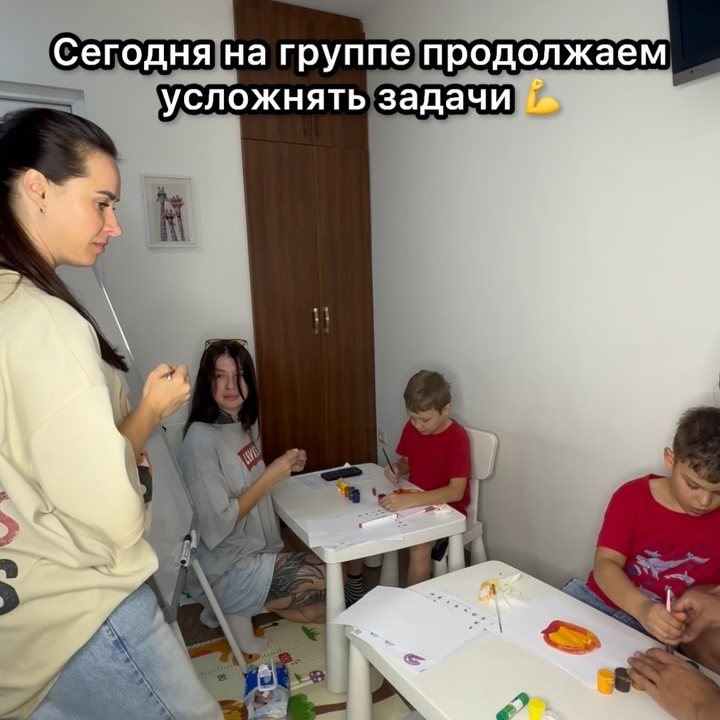
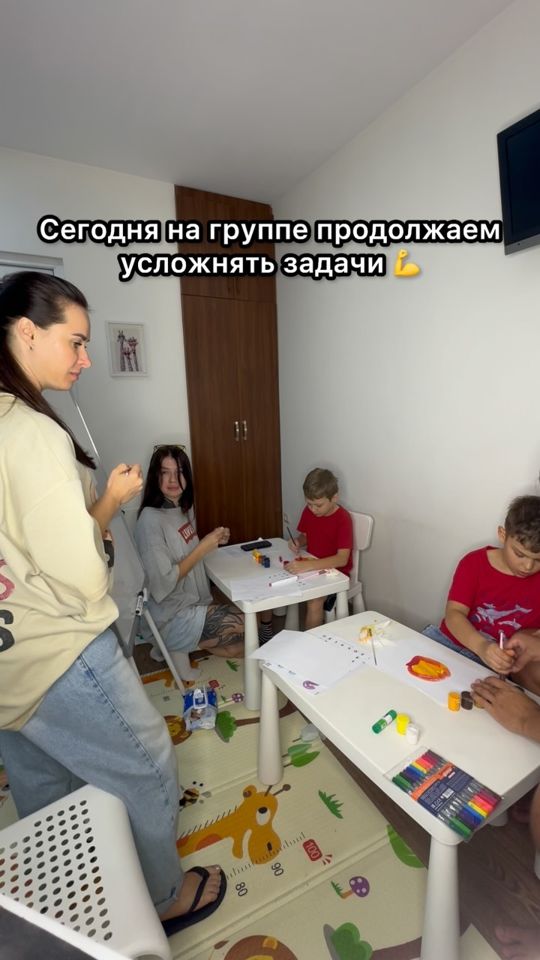
We make tasks more challenging from session to session. For example: first the child had to hear their name and come up to the board. Then come up and choose the right picture. Then listen to an instruction, keep it in mind, choose a picture by a feature and only then come up. That is why regular attendance matters: each session builds on the previous one.
Day-stay group: a small group for 2 hours, more attention for each child and time with peers.
Parent reviews
Translation: I want to say that thanks to your help, children can adapt gently to school and kindergarten. You find the right approach, show tremendous patience and give confidence. Your professionalism and sensitivity bring good results. Well done! You are the best ❤️@nelia.6705, Instagram, 20.08.2026
Translation: The best center in Batumi. You are doing a great job, you have created very good programs for children. I wish you success in your work!!! You are awesome@artyshcheva, Instagram, 04.02.2026
Translation: I really love these guys@ramina_vs, Instagram, 20.08.2026
Translation: Super! Well done@nelia.6705, Instagram, 15.09.2026
FAQ
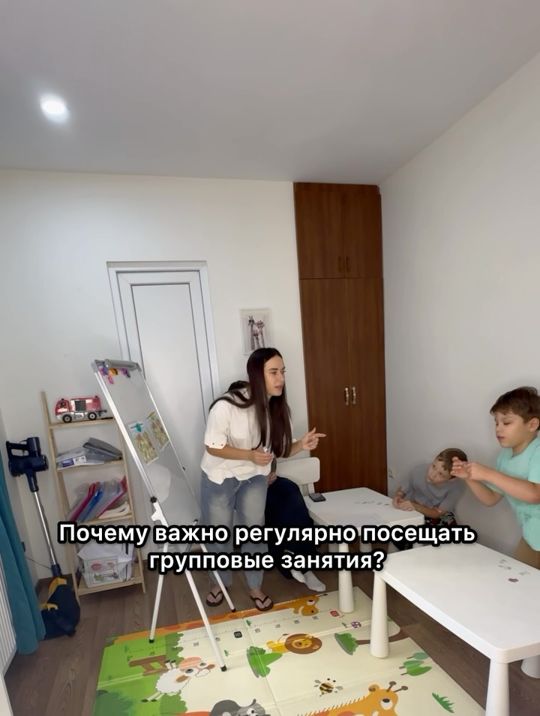
Why is it important not to miss group sessions?
Each session builds on the previous one: we reinforce the skill and make it more challenging. Missed sessions slow this process down.
My child does not play with other children at all. Where will you start?
With comfort. First the child simply stays calmly in the group and plays next to the others, and we add interaction gradually.
Why are arts and crafts part of the group?
Cutting, modeling, glue and paints train the hands and precision. Later this helps with doing up buttons, tying shoelaces and opening packages.
How many children are in the day-stay group?
The group is small.
Photos from sessions
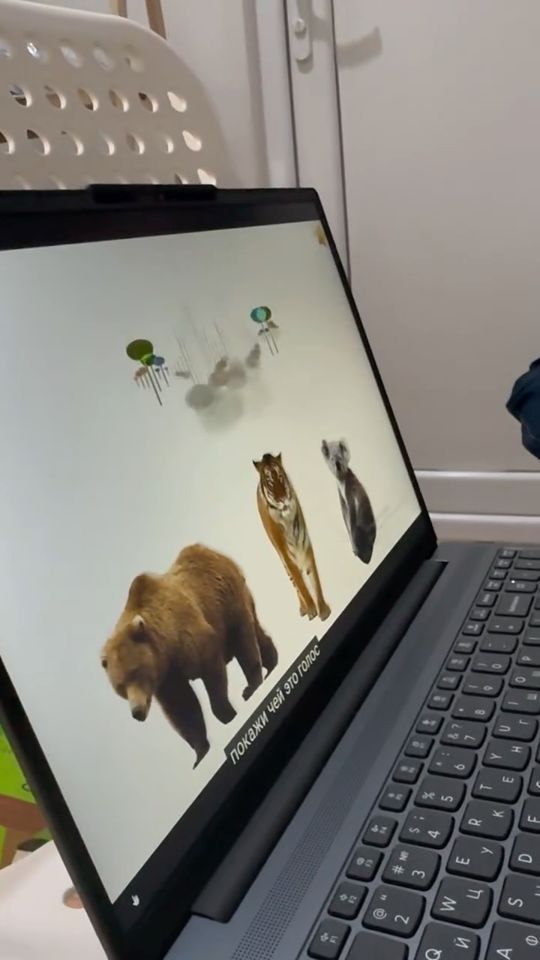
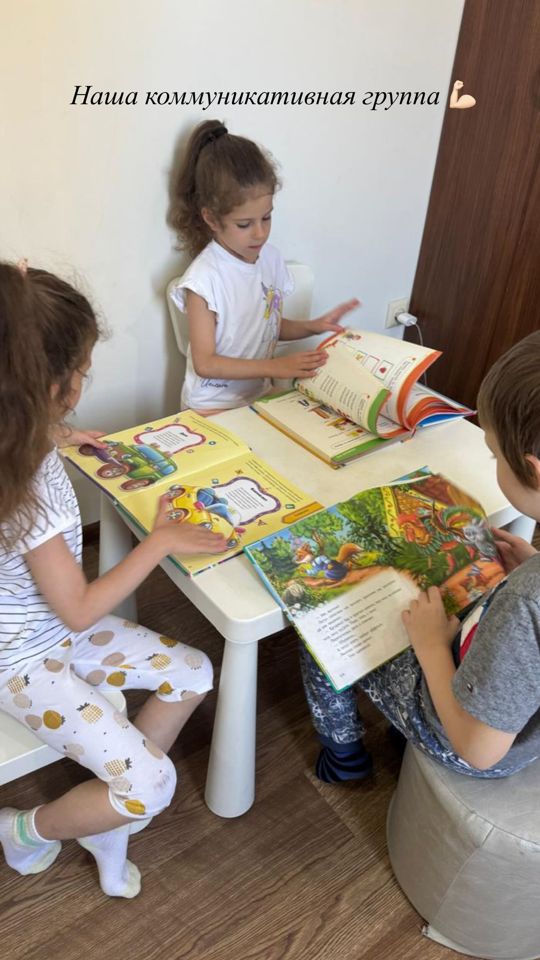
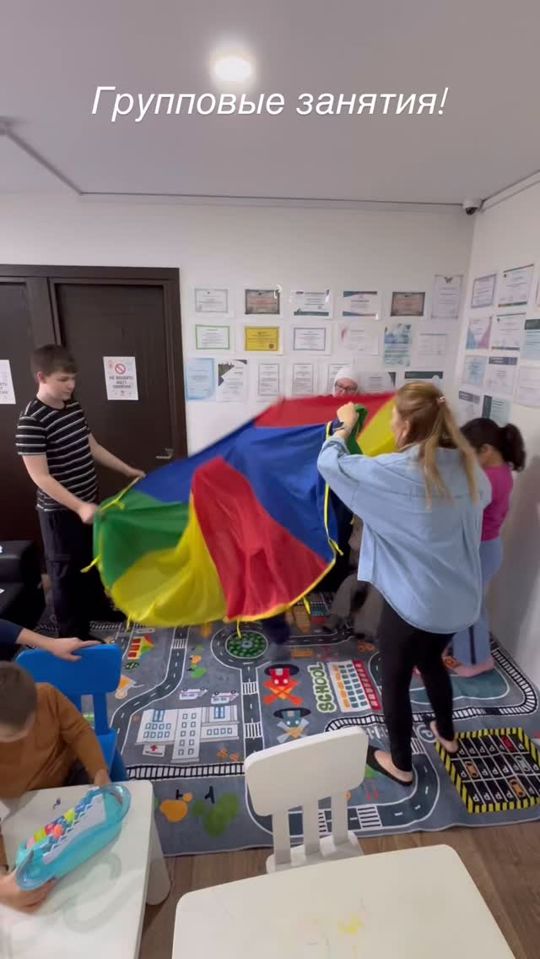
Videos and photos from sessions
The center's videos on Instagram.