Why is assessment needed?
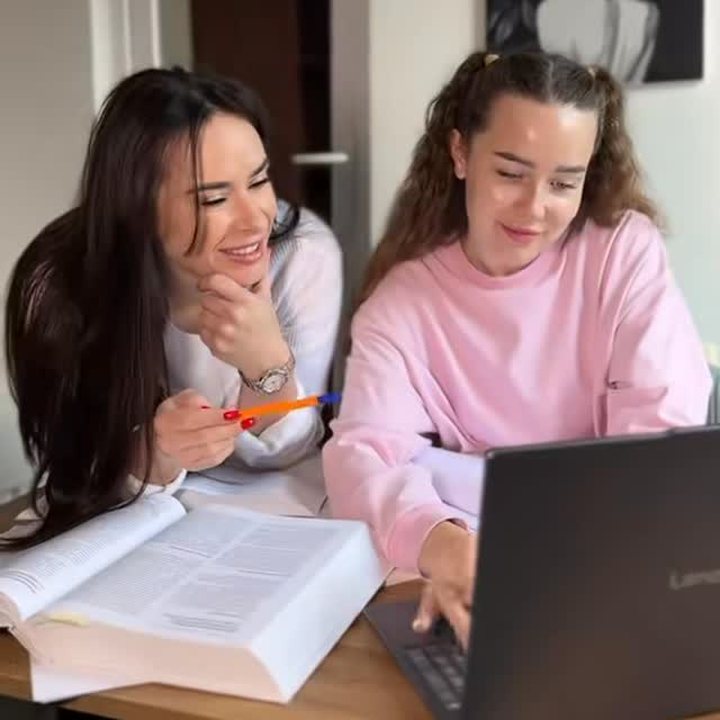
Test results show which skills the child already has and where the developmental gaps are. Based on this data, we design an individual behavioral intervention program aimed at building the skills needed for learning, communication, independence and everyday life.
Reassessment helps track progress and adjust the program.
Who it is for
- Children with ASD, speech delay, speech and developmental delay and other developmental differences.
- Before starting sessions: to identify the skills already in place and developmental gaps.
- During therapy: to assess progress and adjust the individual program.
- Children with difficulties with attention, hyperactivity, impulsivity and self-control, including when ADHD is suspected.
What we do in sessions
- VB-MAPP and ABLLS-R: we carry out a comprehensive assessment of speech, communication, social, learning, motor and self-care skills, and identify barriers to the child's learning and development.
- MOXO: computer-based testing of attention, hyperactivity, impulsivity and response consistency. It helps identify attention and self-control traits typical of ADHD.
Based on the assessment results, we design an individual behavioral intervention program aimed at building the skills needed for learning, communication, independence and everyday life.
How the assessment works and the role of parents
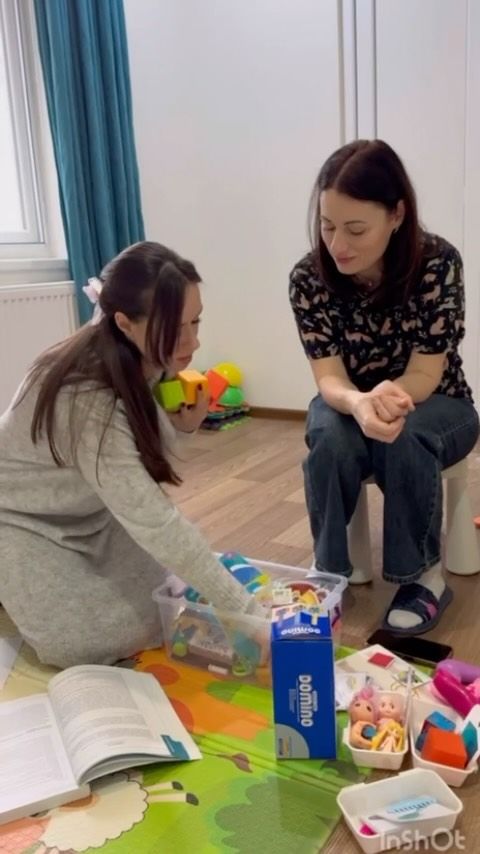
The assessment takes place in a setting that is comfortable for the child, taking into account their age, abilities and individual characteristics.
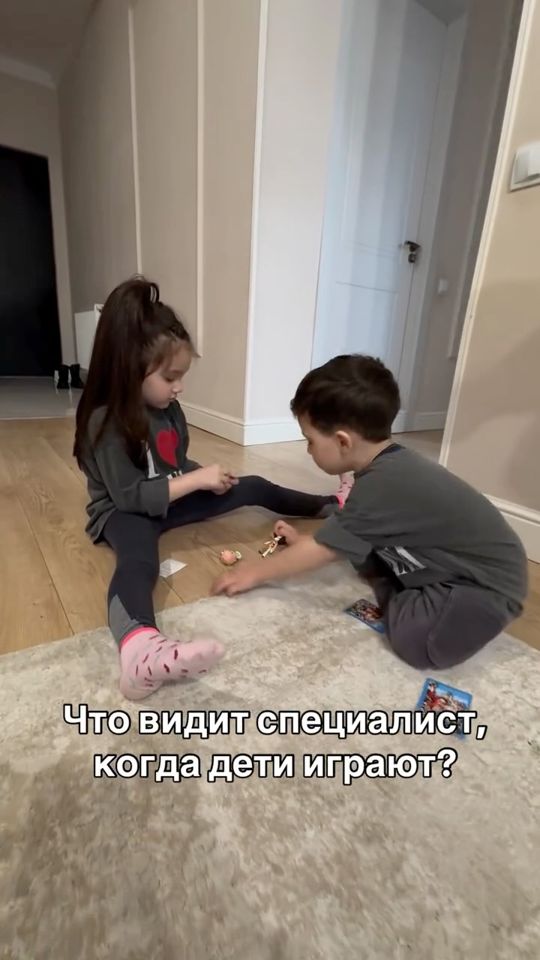
The specialist observes the child and assesses their skills during play, interaction and tasks.
Parents provide information about the child's development, behavior and everyday skills.
The assessment results become the basis of the individual learning program. Reassessment makes it possible to track progress and adjust goals in good time.
FAQ
Does MOXO diagnose ADHD?
No. It is a supporting tool and does not replace a consultation with a doctor. Only a psychiatrist can make a diagnosis.
How long does ABLLS-R take?
10–12 hours on average.
How often should the assessment be repeated?
For ABLLS-R, reassessment is done every 6–12 months to see progress.
Will my child have to sit at a table the whole time?
No. The specialist assesses a large share of skills by watching the child play.
Why test when we could start sessions right away?
To build the program around the child's real abilities rather than a template, and then be able to see what changes.
Photos from sessions
Videos and photos from sessions
The center's videos on Instagram.