Who it is for
It is worth seeking help if your child:
- Does not talk or speaks unclearly, so others find it hard to understand them.
- Struggles to make requests in a socially appropriate way.
- Cannot accept "no", wait or stop a favorite activity.
- Has difficulty understanding speech and instructions addressed to them.
- Often protests: screams, cries, refuses tasks, leaves sessions, throws objects.
- Finds it hard to engage with adults and other children.
- Shows aggression toward people or objects, or self-injurious behavior.
We work with children with ASD, speech delay, speech and developmental delay, ADHD and other developmental differences.
What we do in sessions
- We develop communication and social interaction: we teach the child to make requests in a socially appropriate way (with words, gestures or picture cards using alternative communication), ask for help, say no and get attention.
- We develop speech: understanding what is said to them, naming objects and actions, building phrases, answering questions and keeping up a conversation.
- We build imitation skills: we teach the child to copy movements, actions with objects and what an adult does.
- We develop play and leisure skills: independent and joint play, interaction with peers, organizing free time.
- We build daily living and self-care skills: hygiene, eating, toileting.
- We develop self-regulation skills: waiting, accepting "no", following instructions, finishing an activity and coping with change.
- We build learning skills: attention, completing tasks, getting ready to learn in a group (kindergarten, school).
How we address challenging behavior
We use Greg Hanley's compassionate approach: Practical Functional Assessment (PFA) and Skill-Based Treatment (SBT).
First we find out why the challenging behavior happens and what function it serves. Then we teach the child safe and socially appropriate ways to express their needs and to cope with hearing "no", waiting and other difficult situations.
What sessions look like
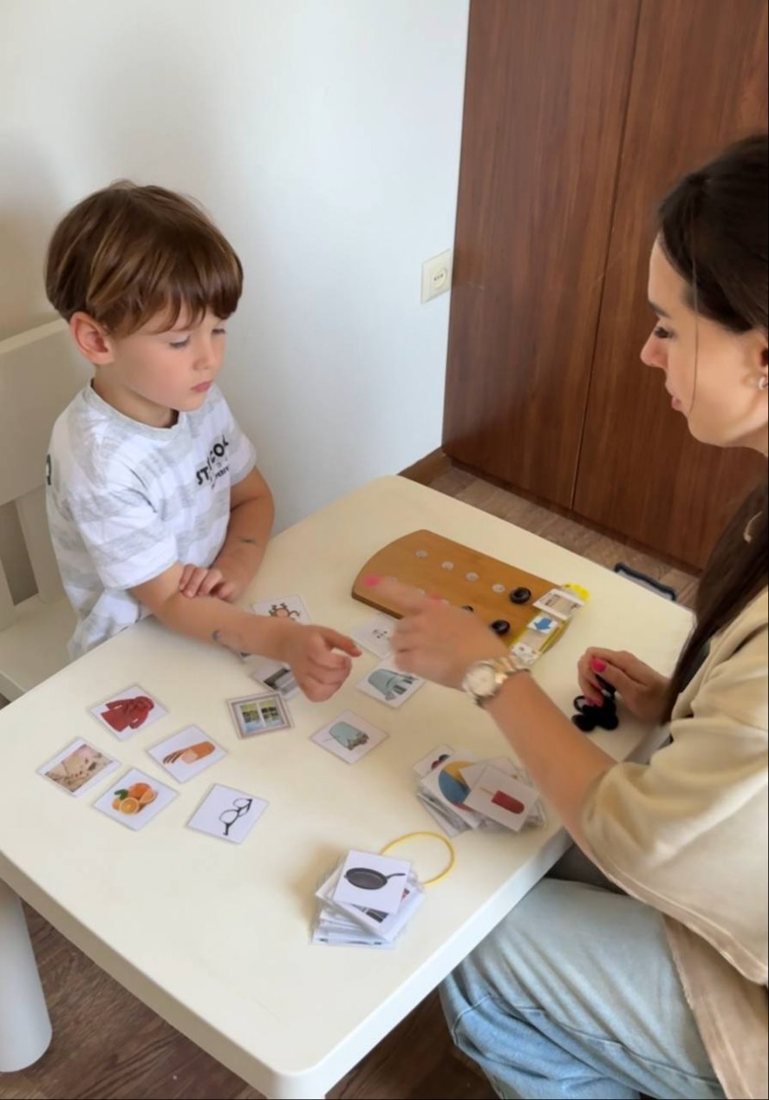
We start by building rapport, trust and cooperation. Teaching is built around the child's interests and motivation.
We use play and natural situations, structured tasks, visual supports and a reinforcement system.
Each child gets an individual program with specific goals based on an assessment of their skills and needs.
The role of parents
Parents are key participants in the process. We explain and show how to use the strategies the child has learned at home, on walks, in shops, at kindergarten and in other everyday situations.
Our goal is not just to teach the child to complete tasks in a session, but to help them use new skills in real life.
Parent reviews
Translation: Watching it again and smiling ❤️ thank you@ramina_vs, Instagram, 11.06.2026
Translation: The best specialist@artyshcheva, Instagram, 18.03.2026
Translation: Super@nelia.6705, Instagram, 20.07.2026
Translation: What fun sessions you have!@ptitsina1, Instagram, 18.04.2024
FAQ
Is ABA a kind of training, like training an animal?
No. It is an evidence-based teaching method built on motivation and reinforcement that takes the child's own interests into account. The goal is not to make the child "convenient", but to help them become easier for others to understand and more independent.
Do you use punishment?
No. We rely on positive reinforcement, which means we reward the behavior we want to see. We do not use harsh methods.
So will my child do everything just for a candy?
At the start, yes: we use whatever the child truly values right now. Once a skill is established, we gradually move to more natural rewards: play, attention, praise.
How soon will we see results?
We will not promise timelines. Every child progresses at their own pace, depending on how often they attend, the child's individual needs and how involved the family is.
Who develops speech: the speech therapist or the ABA specialist?
Both, each in their own area. The question is not who is better, but what difficulties your child has and what kind of help they need right now.
Photos from sessions
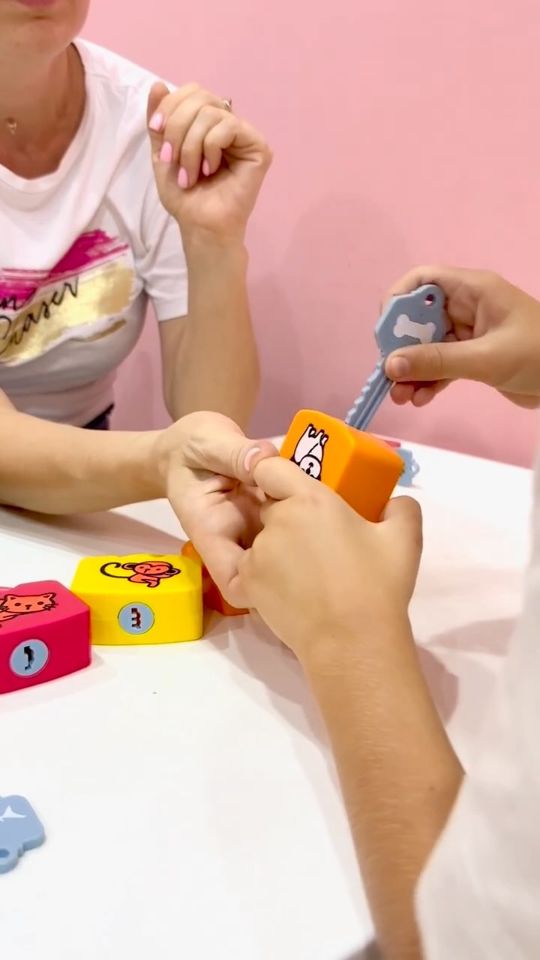
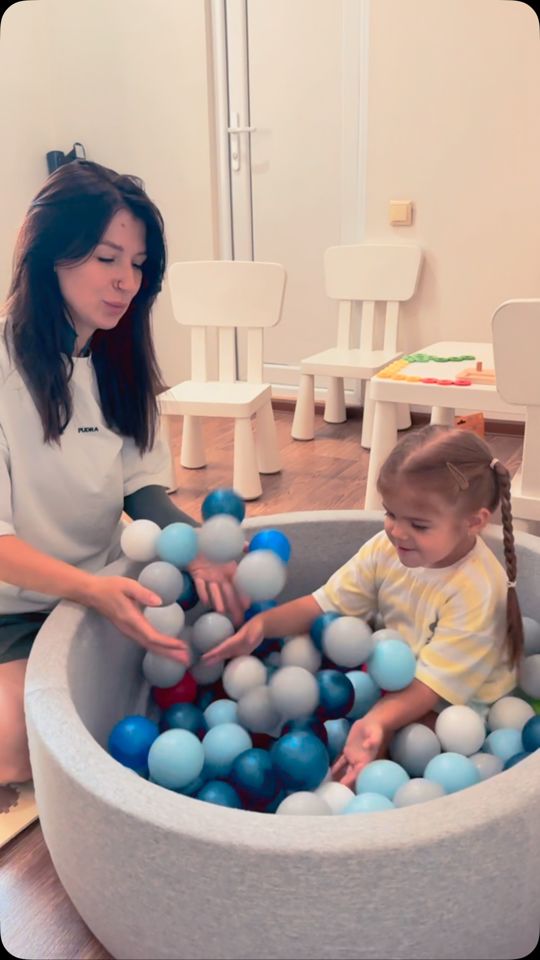
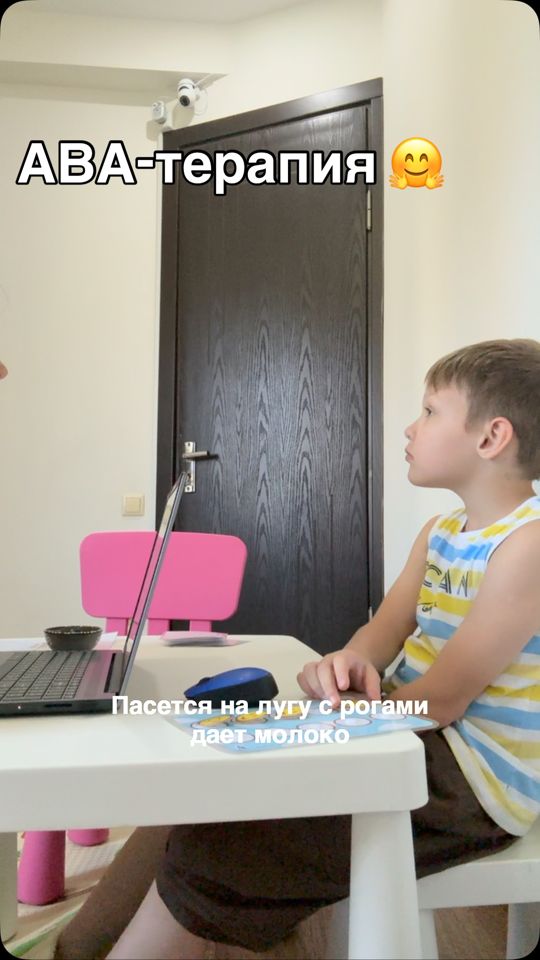
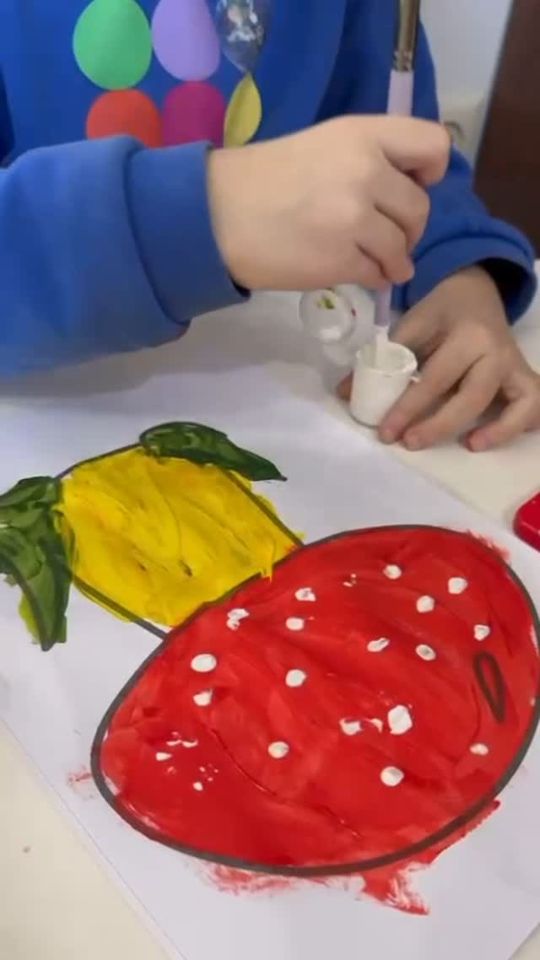
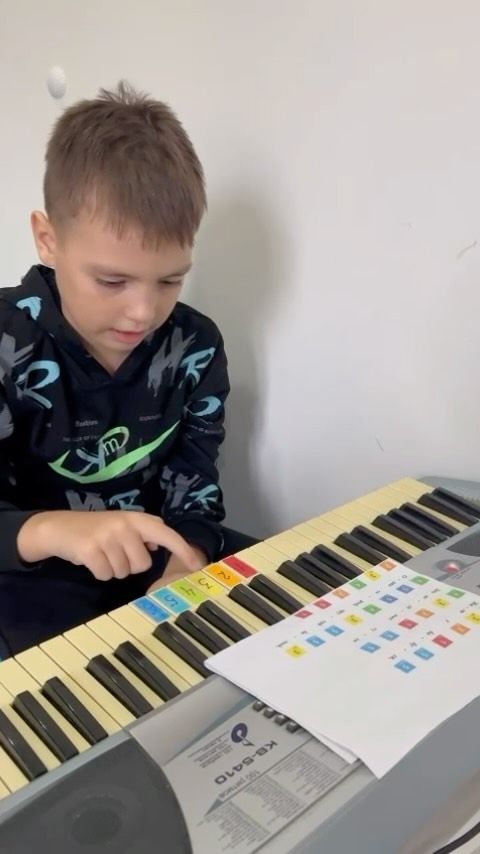
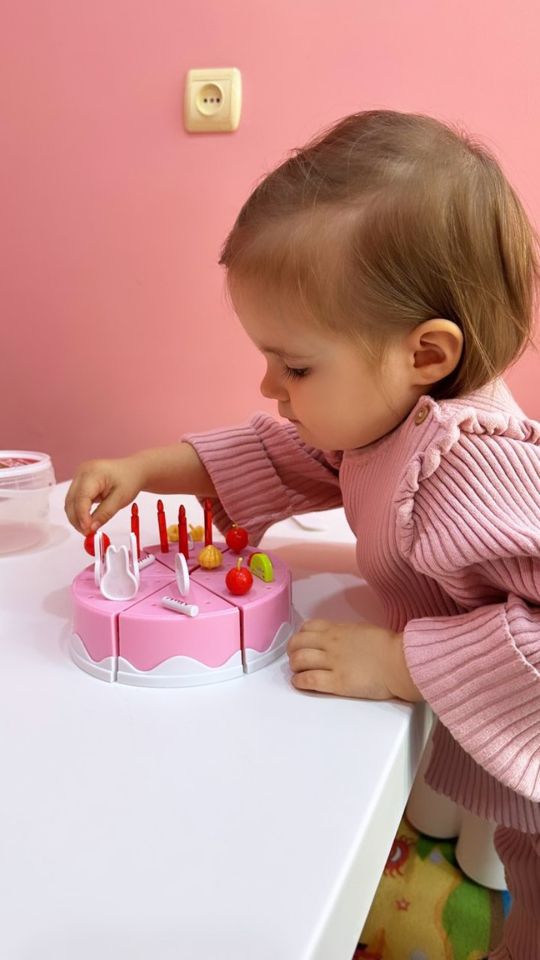
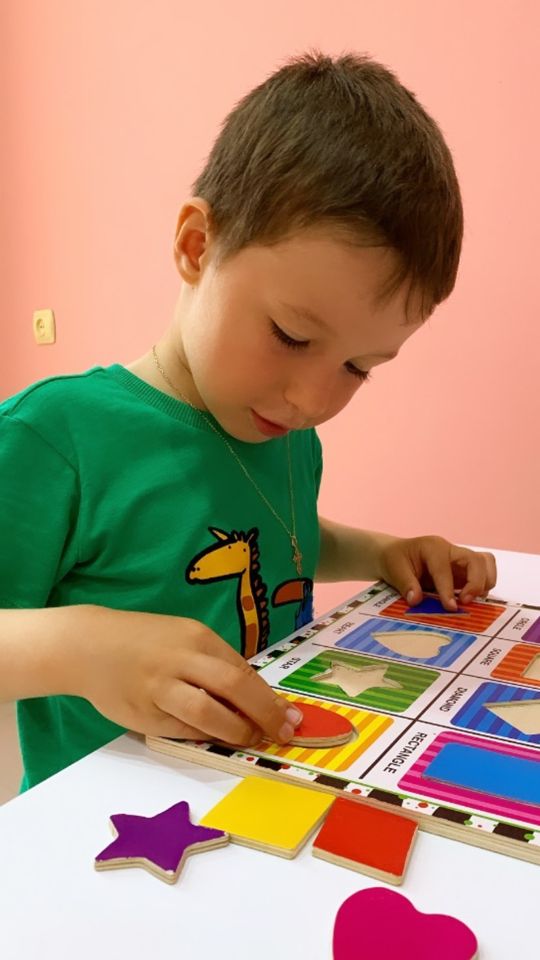
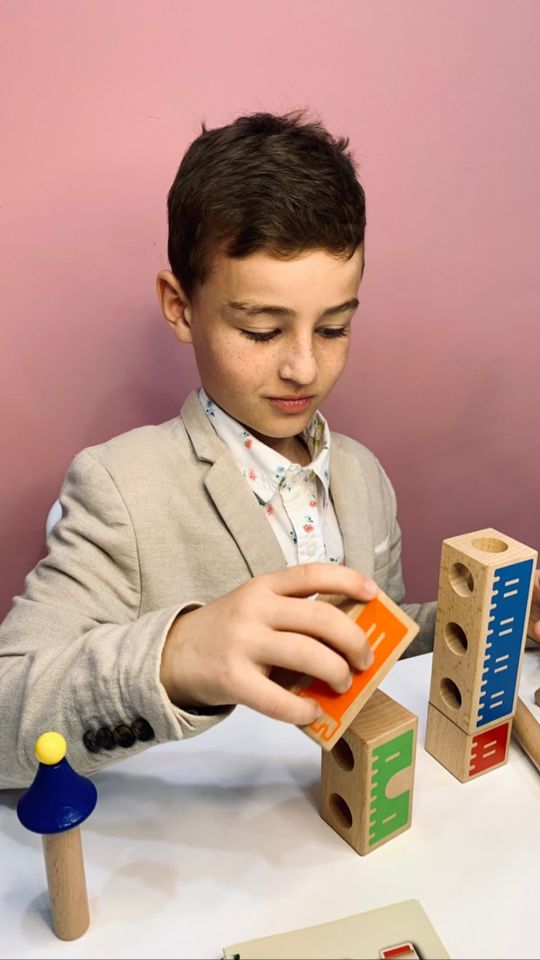
Videos and photos from sessions
The center's videos on Instagram.