Who it is for
- The child is afraid of haircuts: cries, runs away, becomes very tense.
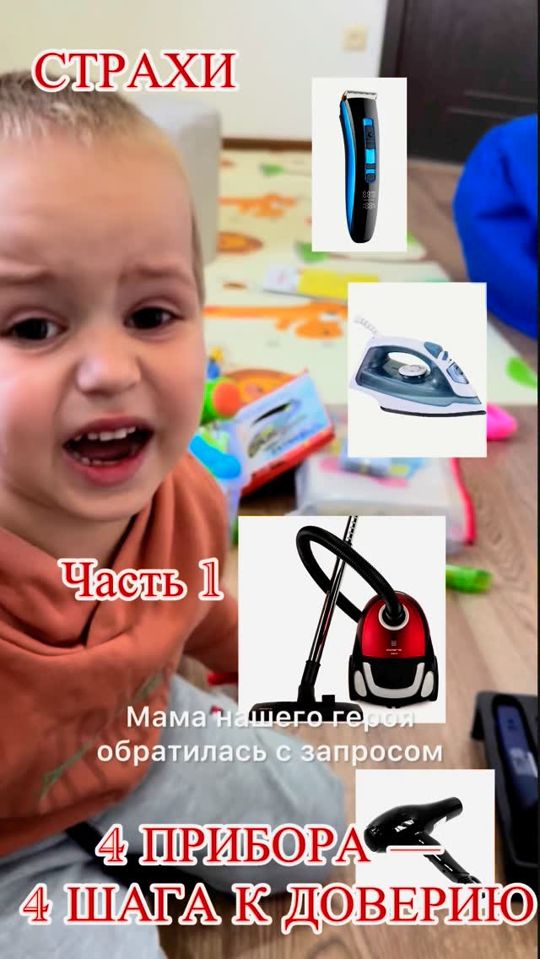
- Is frightened by household appliances: the vacuum cleaner, hair dryer, iron and other devices.
- Is afraid of new places and changes to familiar routes.
- Eats a limited range of foods, refuses to try anything new, accepts food only of a certain texture or color.
- Does not use the toilet independently: wears diapers, previous attempts at toilet training have failed, is afraid of the potty or toilet, hides to have a bowel movement, does not say when they need to go or does not recognize the urge.
- Refuses hygiene routines: brushing teeth, washing hair and other everyday activities.
What we do in sessions
Toilet training
We build independent toileting skills, taking into account the child's individual difficulties. We teach the child to tell an adult when they need to go to the toilet.
Getting used to haircuts and hygiene routines
We identify the causes of fear or discomfort. We break the routine into small steps and help the child gradually get used to it through motivation and positive reinforcement, without pressure.
Getting used to household appliances and new situations
We identify the causes of fear and sensory discomfort. We use gradual desensitization: in a safe, calm setting we introduce the child to objects and situations, step by step reducing anxiety and building skills for dealing with them.
Feeding training
We gradually expand the range of foods, teach the child to try new foods and accept different textures, and develop independent eating skills.
What a session looks like and the role of parents
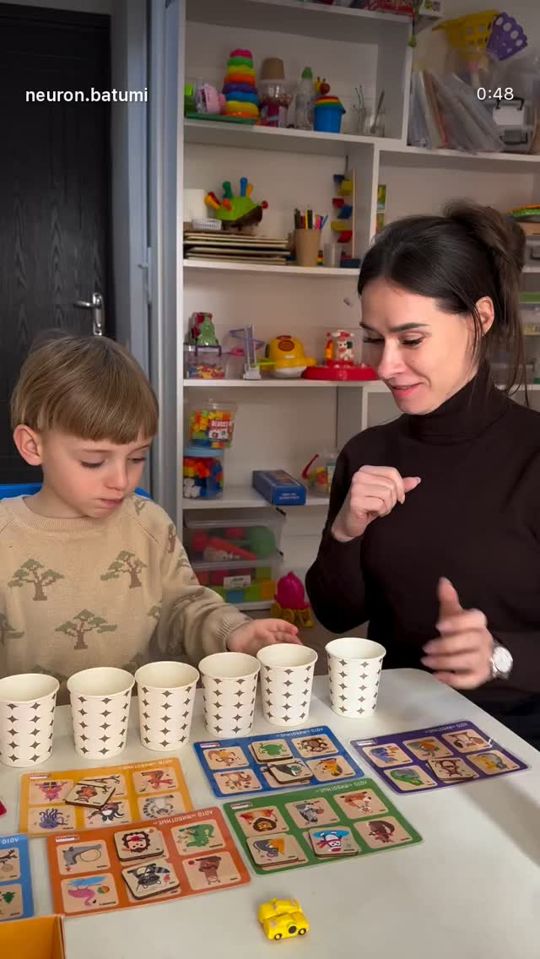
Work begins with assessing the causes of the difficulties and drawing up an individual step-by-step plan. Learning happens gradually, using motivation and positive reinforcement, without coercion.
Parent involvement is an essential part of the training. Eating, using the toilet and hygiene routines mostly happen at home, so our specialists teach parents the strategies they need and support building the skills at home.
Case examples from Neuron
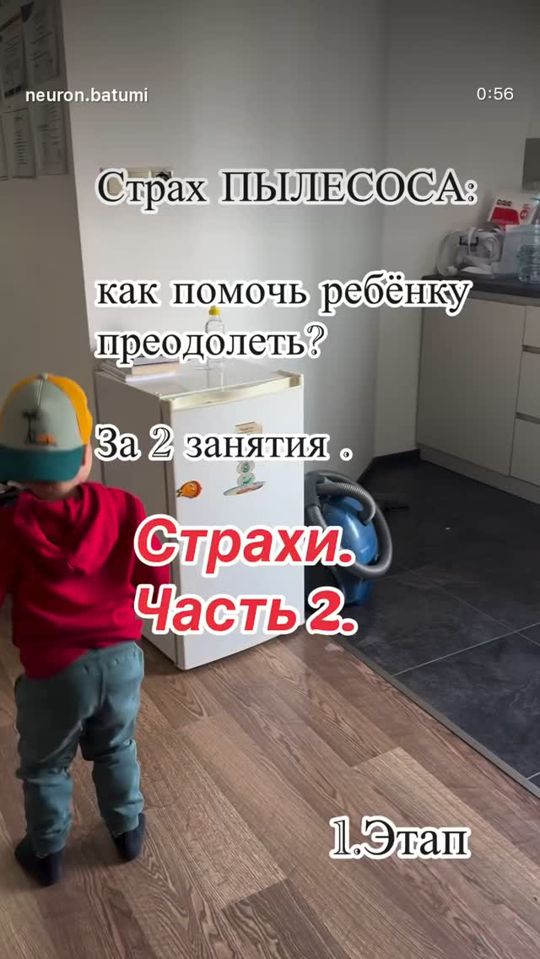
1. Fear of household appliances
After a vacuum cleaner was unexpectedly switched on near a child, the noise frightened him badly. Gradually the fear spread to other appliances: the hair dryer, iron, electric kettle, microwave and washing machine.
Even the sight of a vacuum cleaner that was switched off caused intense anxiety, crying and attempts to run away. The child refused to go to kindergarten because there was a vacuum cleaner there.
How we worked
First, we established that the child was frightened not only by the noise but also by the appearance of the appliances.
We started with one appliance and broke the process of getting used to it into small stages:
- The appliance was switched off and kept at a distance from the child.
- We gradually reduced the distance to the appliance.
- We taught the child to calmly approach and touch it.
- We introduced the buttons and how the appliance is used.
- We gradually moved on to switching it on and using it independently.
Each stage was accompanied by positive reinforcement. We moved on to the next step as the child became comfortable.
Result: the child learned to stay calm near household appliances, vacuumed a room at the center by himself, was able to dry his hair with a hair dryer and tolerate haircuts.
2. Getting used to haircuts with scissors
The child was afraid of haircuts: the snipping of scissors, tools coming close to his head and the cutting itself.
How we worked
We gradually introduced the child to scissors and the sound of them snipping. Then we reduced the distance to his head and moved on to combing and cutting small strands.
As he got used to it, we increased the amount of hair cut and the length of the procedure. Each new stage was introduced once the previous one had been calmly mastered.
Result: the child gradually learned to tolerate each stage of a haircut without marked fear or resistance.
3. Fear of the sound of hair clippers
In another case, the child calmly let us touch his head with switched-off clippers and run them over his hair. However, the sound of the clippers switched on caused intense fear.
How we worked
We established that the main difficulty was the sound itself, not touch or the procedure as such.
So the work focused on gradually getting used to the noise of the clippers. We started with the sound at a comfortable distance, gradually reduced the distance and moved on to using the clippers switched on.
There was no need to rebuild skills the child already had.
Our approach
In every case we identify what exactly causes the fear or discomfort: a sound, how an object looks, touch, sensory sensitivities or a previous negative experience.
Based on this assessment, we draw up an individual step-by-step plan. We use gradual desensitization, motivation and positive reinforcement.
Our goal is not to make the child put up with an unpleasant procedure, but to help them gradually and calmly master the skills they need for everyday life.
Parent reviews
FAQ
What is desensitization?
It is a behavioral method: the child is gradually and safely introduced to what frightens them, and anxiety decreases step by step. This is how we work with fear of the vacuum cleaner, haircuts or water.
My child talks a little. Why would they need PECS?
Sometimes a child has words but does not know how to use them to ask for things. If visual prompts work better for them, cards help them start communicating, and from there they can move on to words and phrases.
How many sessions will be needed?
It depends on the child, so we do not give general timelines. We move at the child's pace.
What do parents do?
They learn the same steps as the specialist and repeat them at home. That is how the skill gets established.
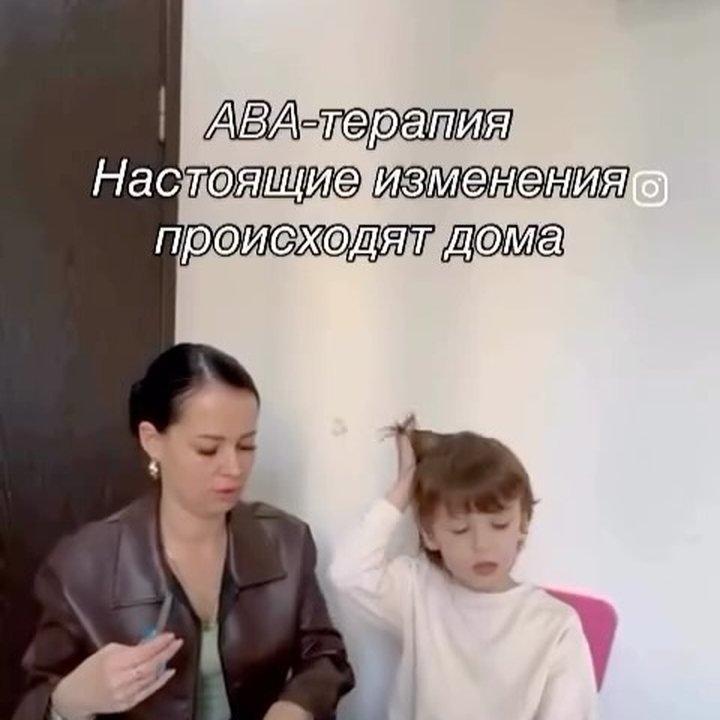
Photos from sessions
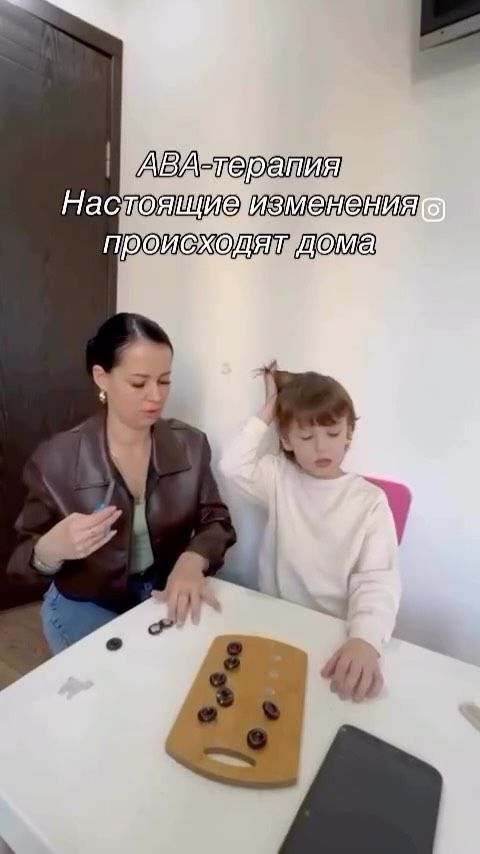
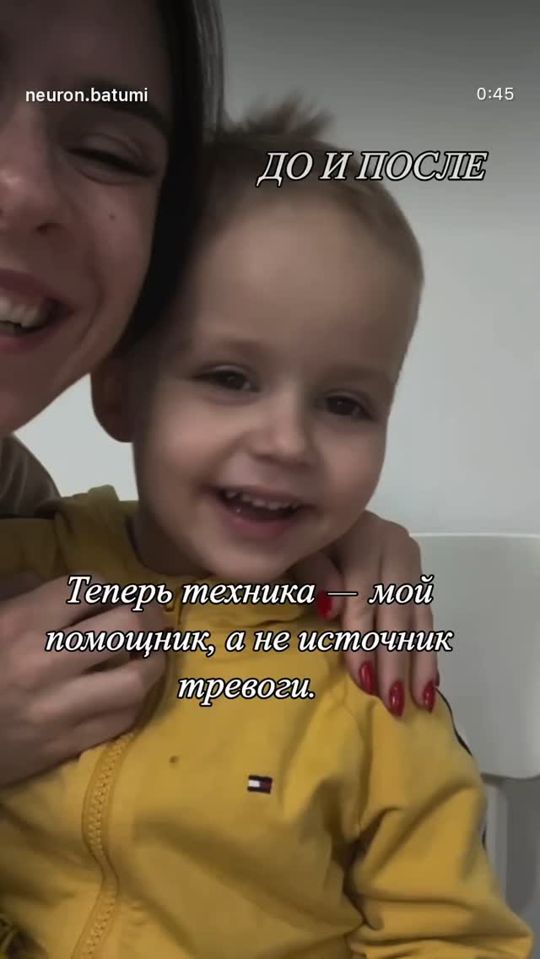
Videos and photos from sessions
The center's videos on Instagram.